What are Essential Amino Acids?
Let’s clear something up first: EAAs are not the same thing as protein.
Essential amino acids are nine amino acids your body cannot make on its own, which means you have to get them from food or supplements. Three of those—leucine, isoleucine, and valine—are the branched-chain amino acids (BCAAs) you’ve probably heard about before.
But EAAs are the full package of essentials, not just a few of them.
And while they can be helpful, they are not a replacement for whole-food protein.
Think of it this way: whole-food protein gives you the full meal. EAAs give you the specific building blocks your body needs to support muscle repair and maintenance.
Because EAA supplements are in a free-form state, they’re absorbed quickly and don’t require the same digestion process as steak, Greek yogurt, chicken, or a protein shake. That’s part of what makes them appealing in certain situations.
Why People Use EAAs
EAAs can be useful for a few reasons, especially if your goal is to support muscle recovery, preserve lean mass, or give your body a steady supply of amino acids.
Here are some of the biggest benefits:
1. They help support muscle protein synthesis
Muscle protein synthesis is the process of repairing and building muscle tissue. EAAs help kick that process on because they provide the essential amino acids your body actually needs to do the job.
This is one reason they’re often used around workouts or during periods when preserving muscle is especially important.
2. They’re absorbed quickly
Unlike whole-food protein, EAAs don’t need much breakdown before they’re absorbed. That means they can get into the bloodstream faster and become available to the muscles sooner.
That doesn’t make them “better” than protein across the board—but it can make them convenient.
3. They can be helpful even in smaller doses
EAAs are concentrated, so you don’t need a huge serving to get a benefit. That can be useful for people who don’t want a full meal or protein shake before training, or for those who struggle with appetite.
4. They can complement your nutrition—not replace it
This is important: EAAs are a supplement, not the foundation.
They can work alongside a solid nutrition plan, but they don’t replace eating enough protein, enough calories, or enough whole foods.
5. They may be especially helpful as we age
As we get older, the body can become a little less responsive to the signals that stimulate muscle growth and repair. This is sometimes called anabolic resistance.
That’s one reason amino acid support—especially formulas with enough leucine—can be useful for older adults who want to maintain muscle, strength, and function.
6. They can help when training isn’t perfect
If someone is recovering from injury, dealing with low appetite, or simply not eating enough protein consistently, EAAs may help fill in some gaps and support muscle maintenance.
Again: they’re not magic. But they can be a useful tool.
7. They can support training and recovery
Used before or after training, EAAs may help support recovery and reduce the muscle breakdown that can happen with hard training—especially if someone is training fasted or going long stretches without eating.
8. They may help preserve muscle in a calorie deficit
When calories are low, the goal is never just “lose weight.” We want to lose fat and keep muscle.
EAAs can be one tool that supports muscle preservation while dieting, especially when paired with resistance training and adequate total protein.
9. They’re convenient
Sometimes convenience matters.
If someone doesn’t want a full shake, doesn’t tolerate a lot of food around workouts, or just wants a quick option between meals, EAAs can be an easy add-in.
EAAs vs. Protein: What’s the Difference?
This is where people get confused, so let’s make it simple:
Protein gives you:
-
Essential amino acids
-
Non-essential amino acids
-
More total nutrition
-
More staying power and satiety
EAAs give you:
-
Only the essential amino acids
-
Fast absorption
-
A more targeted option for muscle support
So no, EAAs are not “the same as protein.”
And no, they are not a replacement for eating real meals.
They’re simply a tool that can help in specific situations.
Who Might Benefit Most from EAAs?
EAAs can be especially useful for:
Older adults
If maintaining muscle and strength is a priority, EAAs may help support that—especially when appetite is low or total protein intake is inconsistent.
People in a fat-loss phase
If calories are lower and muscle retention matters, EAAs can be a strategic add-on.
People using GLP-1s
If you're struggling to eat enough protein, this will give you the amino acids you need to preserve muscle without adding more food to your stomach.
People recovering from injury or periods of inactivity
If someone is less active, under-eating, or coming back from a setback, EAAs may help support muscle maintenance while they rebuild.
Active people and lifters
If you train hard, go long stretches between meals, or want something light around workouts, EAAs can be a helpful option.
People who struggle to hit protein consistently
This is a big one.
If someone is falling short on protein day after day, EAAs can help provide some of the amino acids needed for muscle support. They are not a fix for chronically low protein intake, but they can help bridge the gap.
How to Use EAAs
EAAs can be used:
-
Before a workout
-
After a workout
-
Between meals
-
During times when appetite is low
-
When hitting protein is tough
Some people also like them because they feel lighter than a protein shake.
As for dosage, many people start around 5 grams, though amounts vary depending on the product and the goal.
Are EAAs Worth It?
My take? They can be worth it—but they are not a must-have.
If you already eat enough protein, recover well, and have a solid nutrition foundation, EAAs may be more of a “nice to have” than a game changer.
But if you:
-
struggle to hit your protein target,
-
train fasted,
-
are in a calorie deficit,
-
are getting older and want to preserve muscle,
-
or need a convenient option around workouts,
then EAAs may absolutely have a place.
The key is remembering this:
Supplements are there to supplement.
They are not there to do the job your meals should be doing.
Whole-food protein still matters. Total daily protein still matters. Strength training still matters.
EAAs are just one more tool in the toolbox.
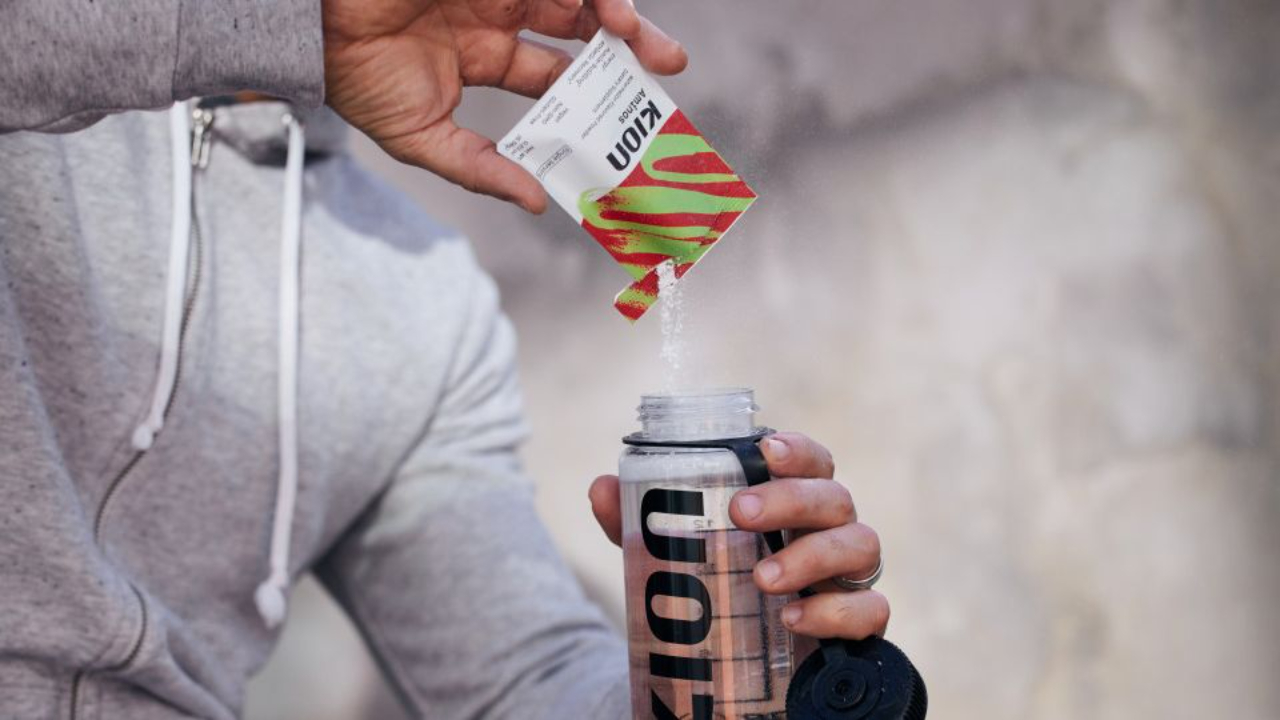
My recommended brand is Kion. Steer clear of the lime flavor LOL. All other flavors are great!